
Use Feature-Driven Development to Ship Better Software
Learn the five FDD steps for steady, client-focused software delivery.

Introduction to Feature-Driven Development
Feature-Driven Development, or FDD development, is a client-centered way to build software. Teams plan and ship small features that offer clear value. Each feature has a defined result that clients can review.
FDD is iterative and incremental. Work moves through short cycles instead of one long release phase. Most features fit within about two weeks. This keeps progress clear and easy to check.
A feature might save a buyer’s address. It might approve an order or track a shipment. The team can build, test, and review each result with less risk.
FDD is an agile development methodology. It starts with a broad view of the business domain. The team then narrows its focus to one useful feature at a time.
- Clients see useful progress often.
- Teams work from a shared domain model.
- Managers can track progress by feature.
- Tests and reviews happen during each cycle.
History and Origins of FDD
Jeff De Luca and Peter Coad developed FDD in the late 1990s. They used it during a large software project. The team needed a process that could guide many people.
The project had many business rules and system links. A shared model helped the team agree on key terms. A feature list then turned that model into small work items.
FDD grew from a need for control without rigid plans. It keeps a broad view of the system. It also lets teams change details as they learn more.
That balance still helps large teams today. Leaders can track the wider product. Developers can focus on a small part of it.
FDD does not remove the need for judgment. Teams still need sound design, testing, and product choices. FDD gives those choices a clear place in the work.
Core Principles of FDD
FDD starts with a strong view of the business domain. The team maps key objects, actions, and links. Domain object modeling creates a base for design work.
The model is not a frozen rule book. The team can refine it when new facts appear. Still, it gives experts and developers a shared language.
FDD treats features as the main unit of progress. Each feature should offer value to a client or user. It should also fit one short design and build cycle.
Collaboration matters at each stage. Domain experts explain rules and edge cases. Developers check whether the model supports the needed behavior.
- Client value: Each feature has a useful result.
- Shared model: The team uses one view of the business domain.
- Short cycles: Small builds make progress clear.
- Regular checks: Inspections catch faults early.
- Clear ownership: Named leads guide each feature area.
These principles link planning with delivery. They also make hidden work easier to spot. That helps teams act before small risks grow.
The Five-Step FDD Process
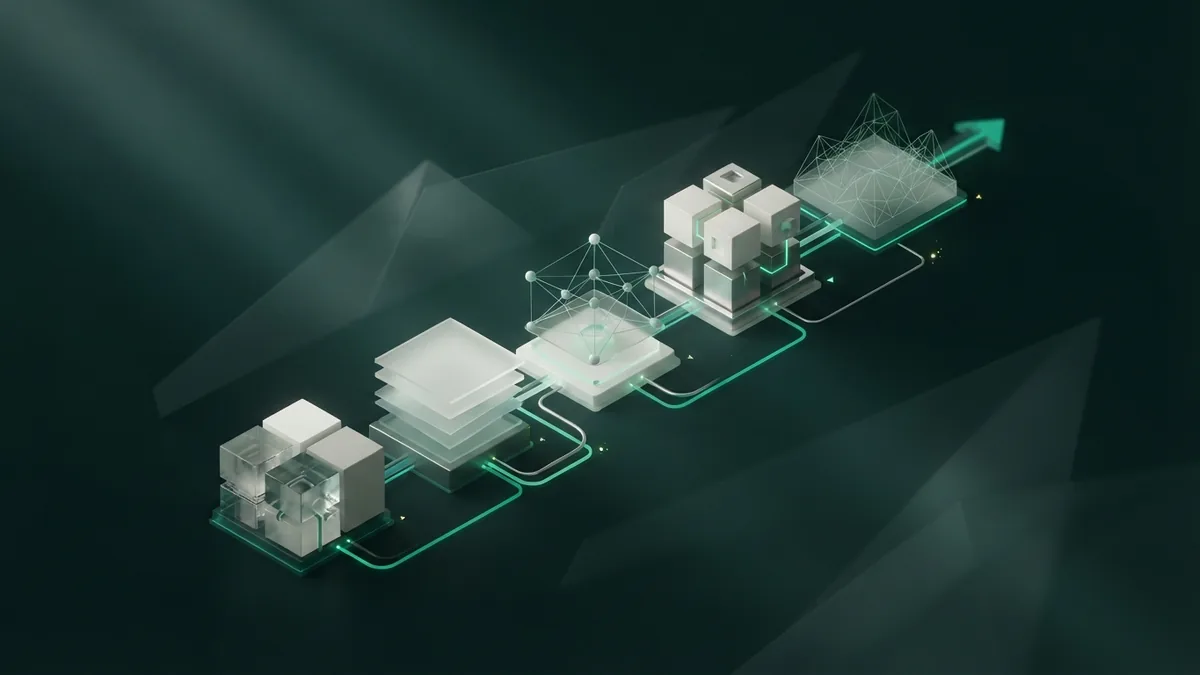
The FDD software development process has five main stages. The first two create a map of the product. The last three turn that map into tested feature builds.
- Develop an overall model. Domain experts and developers explore the business. They list key terms, rules, and links. The team then shapes a shared domain model.
- Build a feature list. The team breaks the model into feature areas. Each feature uses a short action and result. “Calculate shipping cost” is one clear example.
- Plan by feature. The team ranks features by value, risk, and need. It assigns owners and sets a build order. Plans should match real team capacity.
- Design by feature. A small group studies one feature in detail. It checks the model, writes design notes, and sets tests. The group keeps the design narrow.
- Build by feature. Developers build, test, inspect, and merge the feature. The team adds the result to the next working build. The cycle then starts again.
A team may design related features in one cycle. Each feature should still be easy to track. The feature list shows work done and work left.
Teams should set a firm exit rule for every feature. The rule may require tests, review, and a working build. This keeps the meaning of “done” clear.
Good feature names also help. Use a short verb and a clear result. Avoid vague items such as “improve checkout.”
Benefits of Using FDD
FDD gives clients frequent proof of progress. They can review working features instead of waiting for one large release. Their feedback can shape later work.
The method also gives managers a simple view of progress. A feature list shows what has shipped, what is active, and what remains. This view supports better project choices.
Short cycles reduce the cost of finding mistakes. A fault in one feature has a smaller reach. Regular builds also keep the product in a usable state.
FDD suits complex domains with many rules. It also suits larger teams with clear areas of ownership. The shared model helps those teams avoid different terms for the same idea.
| Benefit | How FDD helps |
|---|---|
| Clear progress | Teams report work through completed features. |
| Early quality checks | Reviews and tests run during each build. |
| Client focus | Features link technical work to user value. |
| Team scale | Ownership helps larger groups work in parallel. |
Challenges and Solutions in FDD
FDD needs strong domain knowledge at the start. Without it, the overall model may miss key rules. Teams should bring in real domain experts before they set the feature list.
Small features can also hide wider system risks. One feature may touch data, security, and other services. A short cycle does not remove the need for wider design checks.
Ownership can become too narrow. A feature lead may protect local goals over product needs. Shared reviews help keep each feature aligned with the full system.
FDD can also struggle when work has no clear client result. Research, platform work, and large technical changes need care. Teams can track these items beside features without pretending they are user features.
- Update the domain model when rules change.
- Review links between related features.
- Keep one shared definition of done.
- Track technical work as a visible work type.

Comparing FDD with Other Agile Methods
FDD shares key ideas with other agile methods. It values short cycles, working software, client feedback, and team learning. Its main difference is the strong focus on domain models and features.
Scrum often organizes work in time-boxed sprints. FDD organizes work around small, client-valued features. A team can use Scrum roles and events with an FDD feature plan.
Extreme Programming puts heavy focus on code quality and close technical practice. FDD puts more weight on the business model and feature flow. The two methods can work well together.
Kanban focuses on steady flow and limits work in progress. FDD adds a clear design path for each feature. Teams may use a Kanban board to show FDD work.
| Method | Main focus | Where FDD differs |
|---|---|---|
| FDD | Features and domain models | Uses feature ownership and staged design |
| Scrum | Sprints and team planning | Uses sprint goals rather than feature stages |
| Extreme Programming | Code quality and feedback | Gives more weight to technical practice |
| Kanban | Work flow and capacity | Uses flow limits instead of set feature stages |
When FDD Is a Good Fit
FDD works best when a product has a rich business domain. Examples include orders, billing, logistics, and account rules. These products benefit from shared terms and small feature slices.
It also helps when many developers work on one product. Clear ownership can reduce overlap. Regular builds give leaders a steady view of delivery.
FDD may be less useful for a tiny project with little domain risk. A simple site may not need a formal model or feature leads. The process should fit the size and risk of the work.
Before adopting FDD, check the team’s working habits. Ask whether experts can join model sessions. Check whether the team can review and build often.
- Use FDD for complex products with many business rules.
- Use it when clients need steady proof of progress.
- Adapt it when research work has no clear feature result.
- Keep the process light for small, low-risk products.
FDD is not a promise of perfect delivery. It is a way to make work visible and focused. Used well, it gives teams a steady path from domain knowledge to working software.
Frequently asked questions
- What is Feature-Driven Development?
- Feature-Driven Development is an agile method for building software in small, client-valued features. It combines domain modeling with short design, build, and review cycles.
- What are the five steps of FDD?
- The five steps are developing an overall model, building a feature list, planning by feature, designing by feature, and building by feature.
- How long should an FDD feature take?
- Most FDD features should fit within about two weeks. Larger work should be split into smaller features with clear results.
- When should a team use FDD?
- FDD suits complex products, rich business domains, and larger teams. It may add too much process to a tiny, low-risk project.
- How does FDD differ from Scrum?
- Scrum centers on sprints, roles, and team events. FDD centers on domain models, feature ownership, and staged feature delivery.
- What are the main benefits of FDD?
- FDD gives clients frequent working results and gives leaders clear progress data. Reviews and tests also catch issues early.
Related reading
Create Graphic Designs That Communicate Clearly
Learn the core skills behind logos, portfolios, websites, and social graphics.

Digital Marketing Income—7 Low-Cost Ways to Start
Seven low-cost ways to turn digital marketing skills into income.
Understand SEO Marketing, Strategy, and Costs
Learn how SEO works, what it costs, and which strategy fits your business.